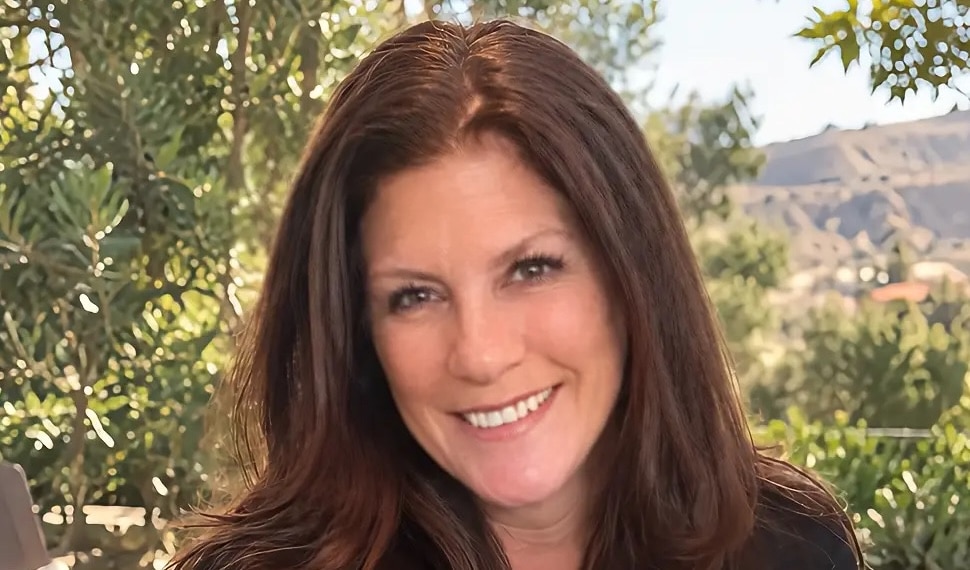

TECHEAD Recruiter Spotlight – John Moore
At TECHEAD we have built our organization on recruiting the right people for our clients and cultivating strong relationships. We bring that same commitment to hiring and developing our own team. To showcase the incredible talent and expertise of our recruiting team, we want to shine a spotlight on the people who make  connections happen every day. This month, our Recruiter Spotlight is on TECHEAD Federal IT Recruiter, John Moore.
John Moore is a Federal IT Recruiter at TECHEAD, bringing four years of recruiting experience and a professional background that sets him apart. Before entering the field, John spent years in Nuclear Quality Control at Newport News Shipbuilding – the only shipyard in the world capable of building nuclear-powered aircraft carriers – where he sharpened the communication and precision-driven skills he carries into his work today. A proud native of Gloucester, Virginia, a small coastal town known as the Daffodil Capital of the U.S., John brings a grounded, people-first perspective to everything he does. In his nearly six months at TECHEAD, when he’s not connecting candidates with their next opportunity, you’ll find him in the kitchen, on the golf course, or deep in a music-listening session. We asked John to share his take on the federal job market, what makes candidates stand out, and his advice for job seekers navigating today’s hiring landscape.
Getting to Know You
1. How did you get into recruiting, and what keeps you passionate about it?
I was recruited by a good friend of mine who was looking to grow their team. What keeps me passionate is knowing the amount of people who are unemployed/recently laid off who actively need help in their job search.
2. What areas/roles do you specialize in at TECHEAD, and what do you love most about working in that space?
I specialize in federal IT recruitment and what I love most is getting to know candidate’s stories/backgrounds and being someone they can rely on during their job search.
Current Job Market Insights
3. What are you seeing in the market right now? How has the hiring landscape changed in the past year?
The federal job market has undergone a significant transformation over the past year shifting from a period of steady growth to a “low-hire, low-fire” environment defined by workforce reductions, hiring freezes, and a pivot toward technical merit.
4. What skills or roles are you seeing the highest demand for right now?
AI implementation, Cyber Engineering, Cloud Architects
5. What’s the biggest misconception job seekers have about today’s market?
The biggest misconception job seekers have about today’s market is that high application volume leads to higher success rates.
Working with Recruiters
6. What do candidates do that makes them stand out to you immediately?
Candidates who communicate precisely and clearly their motives and skillset always stand out.
7. What’s one thing you wish every candidate knew about working with a recruiter?
Working with a recruiter is a great way to streamline the process instead of applying themselves and being another number out of hundreds of applicants.
8. What’s the best way for candidates to maintain communication with their recruiter throughout the job search process?
The best way to maintain communication is to focus on consistency, transparency, weekly touchpoints.
Resume & Application Best Practices
9. What’s the biggest resume mistake you see, and how can people fix it?
A lot of candidates send their same resume over and over for different openings. Knowing how to tailor a resume to a specific opening can make the resume stand out in a sea of others.
10. When you’re reviewing resumes, what catches your attention in the first 10 seconds?
A clear candidate summary on a resume stands out, as well as years of experience, top technical skills, and career wins.
11. How are AI systems and ATS changing the way you screen candidates? What do job seekers need to know?
AI can certainly help identify how a candidate’s experience aligns with an opening, and job seekers should be aware that its role in recruiting is only growing.
12. What’s your advice for optimizing a resume to get past ATS without sacrificing readability for human reviewers?
Do not overcomplicate the resume with colors/pictures, make sure it is clear and to the point.
13. With AI resume tools becoming popular, how can candidates use them effectively without losing their authentic voice?
Don’t use AI as a ghostwriter but more of a way to organize your skillset/formatting in an authentic way.
14. Are there any AI-generated resume red flags that make you pause when reviewing a candidate?
Generic wording, skill padding, bullet points being too consistent, lack of context.
15. Should candidates tailor their resume for every job or is a strong general resume enough?
Both – it’s great to have a strong general resume, but have one that can be tailored differently for different openings.
Interview & Job Search Strategy
16. What’s your best advice for someone who keeps getting interviews but no offers?
There is usually a disconnect somewhere in the process, whether it’s negative talk about past employers, bringing up salary too early, not researching the company thoroughly, or simply not showing enough interest during the interview itself.
17. What’s one tip you’d give someone starting a job search today?
Have a precision-based approach. Try creating real lines of communication and building relationships rather than how many jobs can I apply to.
Beyond Recruiting
18. What do you do outside of work to recharge?
Spending time with my wife, cooking, golfing, listening to music.
19. What’s the best career advice you’ve ever received?
Things are always changing, anything can happen – never get too comfortable.
20. What’s something people would be surprised to learn about you?
I enjoy listening to historical podcasts, World War documentaries – I even took history/war classes as electives in high school.
21. What are you currently reading, listening to, or learning about?
I’ve currently been on a kick of watching album/vinyl listening reactions from other people of my favorite music artists.
22. If you weren’t in recruiting, what would you be doing?
Supporting the military, veterans, or any underrepresented group of people. My mission in my career has always been to help people.